

 60
60



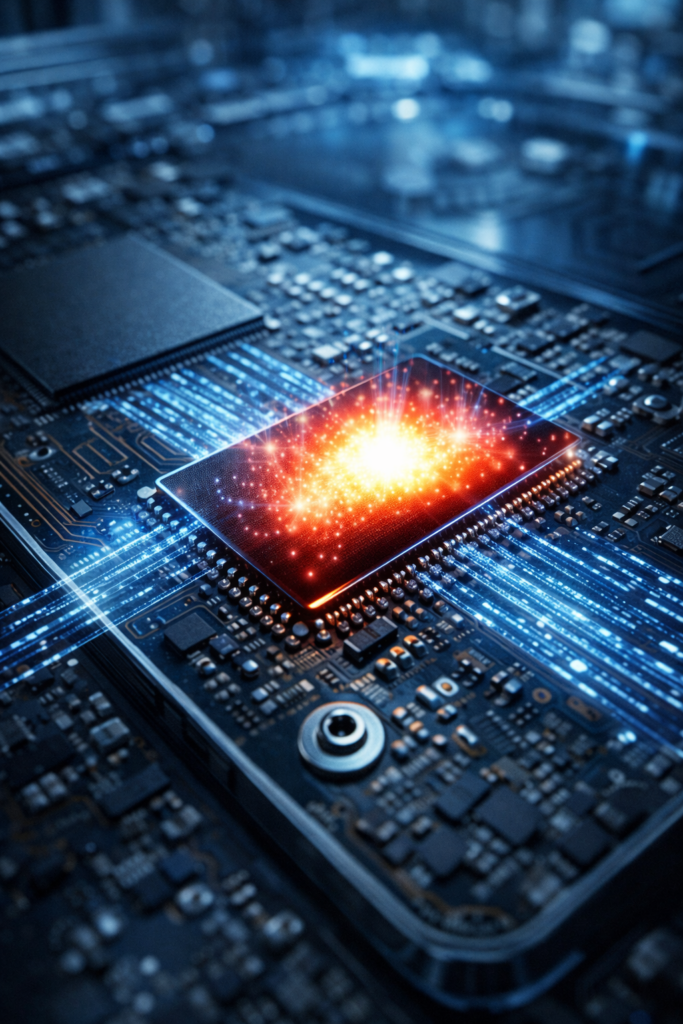
We’ve entered an era where your smartphone isn't just a communication tool; it’s a localized AI powerhouse. With the rollout of 2026’s "AI-Native" operating systems, features like real-time generative video editing and autonomous agents are running directly on your device’s hardware. However, this "edge AI" revolution comes with a hidden, physical cost. As a specialist in NAND flash memory recovery, I’m seeing a spike in flagship devices—less than a year old—exhibiting symptoms of "SSD death." The culprit? The sheer volume of data being written and rewritten to your storage by AI models. This AI Native OS memory wear is the new silent killer of premium electronics.
Every smartphone uses NAND flash memory to store your photos, apps, and the OS itself. Unlike traditional hard drives, NAND has a finite lifespan measured in "Program/Erase" (P/E) cycles. Think of it like a notepad where you can only erase and rewrite on the pages a certain number of times before the paper tears.
In 2026, AI-Native OS updates are "tearing the paper" at 10x the normal rate. To provide "instant" AI responses, the OS constantly swaps massive AI model weights (multi-gigabyte files) between the storage and the RAM. This constant shuffling creates a "write amplification" effect that eats through the rated endurance of even the best micro-soldering & IC replacement grade components much faster than manufacturers anticipated.
You might wonder why this is surfacing now. The reason lies in how 2026 flagships handle "Agentic AI."
If you’ve noticed your phone becoming sluggish, crashing during AI tasks, or showing "storage corrupted" errors, you are likely facing AI Native OS memory wear. While you can't stop the OS from being AI-driven, you can mitigate the damage.
The dream of a fully AI-integrated life shouldn't come at the expense of a $1,200 smartphone's longevity. AI Native OS memory wear is a structural challenge that the industry is still struggling to balance. As we push the limits of what mobile silicon can do, the physical endurance of our storage chips must keep pace.
If you are worried about your device's health or are looking to upgrade, consider visiting our store locations to speak with a tech about which models currently use high-endurance memory. Being an informed consumer is the best defense against the premature aging of your tech.
Can a factory reset fix memory wear?
No. Memory wear is a physical degradation of the silicon. While a reset might clear temporary software glitches, it cannot restore the "P/E cycles" that have already been used up.
Is it better to buy a phone with more storage?
Yes. Larger capacity drives (e.g., 512GB vs 128GB) generally have better endurance because the "wear leveling" software has more physical cells to spread the data across, prolonging the life of the overall chip.
Does this affect iPads and Tablets too?
Absolutely. We are seeing similar patterns in iPad logic board repair, especially for models used for high-end AI art generation or video editing.
Disclaimer: This article is intended for informational purposes regarding emerging hardware trends in 2026. If your device is showing signs of hardware failure, always consult with a certified repair professional to ensure a safe and accurate diagnosis.