

 60
60



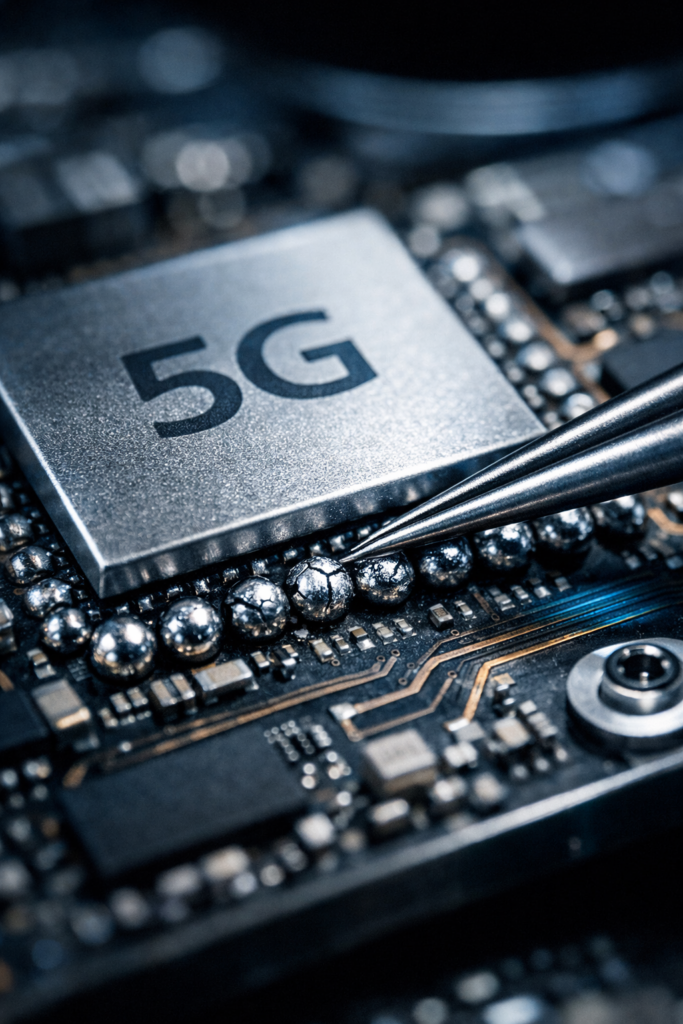
It used to be that a "minor drop" meant a cracked screen or perhaps a scuffed corner. But in 2026, the stakes have shifted from the glass on the outside to the silicon on the inside. We are seeing a massive influx of "No Service" and "Searching..." errors on flagship devices that look physically pristine. This 5G modem desolder crisis isn't just a streak of bad luck; it’s a structural vulnerability in how modern, high-frequency chips are bonded to the logic board. As a technician who sees dozens of these boards under a microscope weekly, I can tell you that the tiny solder balls holding your connection together are failing at an alarming rate.
The transition to advanced 5G bands required modems to process more data and generate more heat than ever before. To keep phones slim, manufacturers have moved toward "stacked" logic board designs. While this saves space, it creates a thermal pressure cooker.
The 5G modem desolder crisis occurs because the lead-free solder used in modern manufacturing is brittle. When your phone experiences a physical shock—even one cushioned by a case—the micro-flexing of the motherboard can snap the connection between the modem chip and the board. Because these chips run hot, the constant expansion and contraction of the metal weaken these joints over time, making them "prime" for failure during a routine bump.
If you are carrying a high-end device from the last year, you might already be seeing the early warning signs. Unlike a software bug, hardware-level modem failure usually follows a specific pattern of degradation.
Your bars might drop to zero in the middle of a clear area, only to return after a restart. This is often the result of a "cold" or cracked solder joint that occasionally makes contact.
Interestingly, because the cellular modem and wireless ICs are often in close proximity on the board, a shock that affects one can frequently impact the other. If you notice your Wi-Fi toggle is stuck in the "off" position, it’s a sign of significant board-level stress.
We’ve seen cases where a phone simply sliding off a nightstand onto a carpeted floor triggers a permanent "No Service" state. While the screen remains perfect, the internal professional micro-soldering services expertise required to fix these issues goes far beyond a simple parts swap.
If you find yourself a victim of the 5G modem desolder crisis, a factory reset is rarely the cure. This is a hardware ailment that requires specialized intervention.
For those unsure of the damage, getting an get a repair estimate for a professional diagnostic is the safest first step to determine if your logic board is salvageable.
The 5G modem desolder crisis is a sobering reminder that as our devices become more powerful, they also become more delicate. The race for thinner phones and faster 5G speeds has pushed hardware engineering to a point where a millimeter of flex can mean the difference between a flagship phone and an expensive paperweight.
Staying informed and protecting your device with a rigid, high-quality case is more important now than ever. If you do experience a sudden loss of signal, remember that it’s likely a physical break, not a software glitch. Trust the experts who understand the intricate world of microsoldering to get you back online.
Can a software update fix the 5G modem desolder crisis?
No. While an update might temporarily mask the issue by changing how the phone searches for signal, it cannot physically reconnect a snapped solder joint on the motherboard.
Is this issue limited to iPhones?
While frequently discussed in the context of iPad hardware diagnostics and iPhones, this is an industry-wide issue affecting any flagship using high-heat 5G modems and stacked PCB designs.
Should I go to a local store or mail it in?
Because this requires a microscope and precision heat tools, ensure your store locations choice has a technician on-site who specializes in microsoldering, rather than just basic screen replacements.
Disclaimer: The information provided in this article is for educational purposes regarding common hardware failures. Repairing modern smartphones involves high heat and delicate components; we always recommend consulting a professional technician to avoid permanent damage to your device.